

Broccoli Extract Explained: Glucoraphanin, Sulforaphane, Myrosinase & Applications
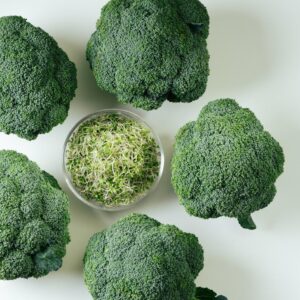
Broccoli is widely recognized as a nutritious cruciferous vegetable. Beyond its nutritional value, broccoli has attracted considerable attention in the dietary supplement industry due to its naturally occurring bioactive compounds, particularly glucoraphanin and sulforaphane.
Today, broccoli seed extract and broccoli sprout extract are increasingly used as botanical ingredients in nutritional supplements and functional formulations.
However, not all broccoli extracts are the same. Differences in plant parts, active compounds, extraction methods, and enzyme activity can significantly affect the properties of the final ingredient.
For supplement manufacturers and ingredient buyers, understanding these differences is essential when selecting a suitable broccoli extract.
1. What Is Broccoli Extract?
Broccoli extract is a botanical ingredient obtained from Brassica oleracea var. italica, a member of the Brassicaceae family.
Commercial broccoli extracts may be produced from different parts of the plant, including:
- Broccoli seeds: A concentrated natural source of glucoraphanin, frequently used for standardized extracts.
- Broccoli sprouts: Young broccoli seedlings that contain glucosinolates and other phytochemicals.
- Broccoli florets: The mature edible portion, commonly used for vegetable powders and broader nutritional formulations.
Broccoli seed extract and broccoli sprout extract are particularly interesting to supplement manufacturers because they can be standardized for specific bioactive compounds.
Among these compounds, glucoraphanin and sulforaphane receive the greatest attention.
2. Glucoraphanin vs. Sulforaphane: What Is the Difference?
Although glucoraphanin and sulforaphane are closely related, they are two different compounds.
Glucoraphanin is a naturally occurring glucosinolate found in broccoli, especially its seeds and young sprouts. It acts as the precursor to sulforaphane.
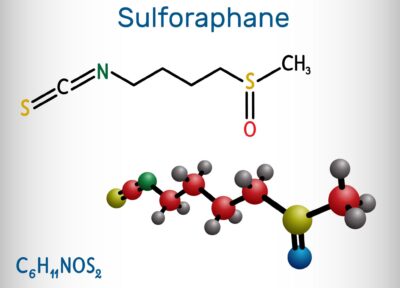
Sulforaphane is an isothiocyanate formed when glucoraphanin undergoes enzymatic hydrolysis.
This conversion requires an enzyme called myrosinase.
The reaction can be summarized as:
Glucoraphanin + Myrosinase + Water → Sulforaphane
In practice, the conversion is more complex, and the actual sulforaphane yield depends on enzyme activity, pH, processing conditions, and other factors.
One important difference is stability. Glucoraphanin is generally more stable during ingredient processing and storage, while sulforaphane is relatively reactive and more sensitive to formulation conditions.
For this reason, many supplement manufacturers choose standardized glucoraphanin extracts or specially prepared sulforaphane ingredients.
Comparison of the Three Key Components
| Component | Main Role | Important Consideration |
|---|---|---|
| Glucoraphanin | Precursor to sulforaphane | Concentration and purity |
| Sulforaphane | Bioactive isothiocyanate | Actual content and stability |
| Myrosinase | Enzyme responsible for conversion | Enzyme activity and processing conditions |
Understanding these components helps buyers select the right material for their supplement formulation.
3. Why Is Myrosinase Important?
Myrosinase plays an important role in the formation of sulforaphane.
In fresh broccoli, glucoraphanin and myrosinase are naturally separated within plant tissues. When the tissues are disrupted through chopping or chewing, the enzyme can come into contact with glucoraphanin and initiate the conversion process.
However, myrosinase is sensitive to heat and certain manufacturing conditions.
If the enzyme becomes inactive during extraction or processing, sulforaphane formation may be reduced.
Although intestinal microorganisms can also convert glucoraphanin into sulforaphane, conversion efficiency varies between individuals.
Scientific studies have demonstrated that the presence of active myrosinase can substantially influence sulforaphane bioavailability.
This is why some broccoli extract formulations contain both glucoraphanin and active myrosinase.
For supplement manufacturers, it is important to distinguish between:
- Glucoraphanin extract without verified active myrosinase
- Glucoraphanin extract containing active myrosinase
- Extract standardized for pre-formed sulforaphane
- Extract with sulforaphane yield measured after laboratory activation
These products should not be treated as interchangeable.
4. Common Specifications of Broccoli Extract
Broccoli extract is available commercially in a variety of specifications, depending on the active ingredients and production technology.
Commonly marketed categories include:
| Product Type | Example Commercial Specifications | Main Feature |
|---|---|---|
| Broccoli Seed Extract | 1%, 5%, 10%, 13%, 20% Glucoraphanin | Standardized precursor content |
| Broccoli Sprout Extract | Various glucoraphanin or sulforaphane grades | Sprout-derived phytochemicals |
| Sulforaphane Extract | 0.1%, 1%, 5%, 10% Sulforaphane | Standardized sulforaphane content |
| Glucoraphanin + Myrosinase | Customized precursor and enzyme specifications | Enzyme-assisted sulforaphane formation |
| Sulforaphane Yield Standardized Extract | Defined conversion yield under laboratory conditions | Evaluated sulforaphane generation potential |
Note: These are examples of commercially advertised specifications, not a confirmed list of products available from Leher Bio. Actual grades and analytical methods should be verified with the supplier.
What Does 13% Glucoraphanin Mean?
A broccoli seed extract containing 13% glucoraphanin provides 130 mg of glucoraphanin per gram of extract.
However, this does not mean the product contains 13% sulforaphane.
Similarly, a specification describing a minimum sulforaphane yield after enzymatic activation should not be interpreted as the amount of pre-formed sulforaphane already present in the powder.
When comparing suppliers, buyers should always confirm:
- Which active compound is being measured
- Whether the declared sulforaphane is pre-formed or generated during testing
- Whether myrosinase is present and active
- Which analytical method is used
These details are especially important for standardized dietary supplement formulations.
5. Potential Benefits and Scientific Interest
The growing interest in broccoli extracts is largely associated with sulforaphane and its biological activities.
Antioxidant and Cellular Defense Research
Sulforaphane has been widely investigated for its interaction with the Nrf2 signaling pathway.
Nrf2 is a transcription factor involved in regulating cellular responses to oxidative and chemical stress.
Research suggests that sulforaphane can activate Nrf2-related signaling and influence the expression of various cytoprotective enzymes.
This mechanism has made sulforaphane an important subject in antioxidant and cellular defense research.
Inflammatory Response Research
Sulforaphane has also been investigated for its potential influence on cellular signaling pathways associated with inflammatory responses.
Both laboratory and human studies have explored these mechanisms, although clinical outcomes vary according to the study design, population, and ingredient preparation.
Healthy Aging Research
Oxidative stress and cellular defense mechanisms are important research topics in healthy aging.
For this reason, broccoli-derived compounds are being studied as part of broader research into nutrition, cellular health, and age-related biological processes.
Metabolic Health Research
Researchers have also investigated broccoli sprout preparations and sulforaphane in relation to metabolic processes.
These findings remain an active area of scientific investigation and should not be interpreted as evidence that commercial broccoli extract supplements can prevent or treat metabolic diseases.
Important: Research findings concerning sulforaphane do not automatically apply to every commercial broccoli extract. Ingredient composition, enzyme activity, dosage, bioavailability, and clinical evidence all need to be considered.
6. Applications in Dietary Supplements
Broccoli extracts can be incorporated into different nutritional product concepts depending on their specifications and stability.
Capsules and Tablets
Standardized broccoli seed extract can be used in capsules and tablets, particularly when manufacturers require a defined glucoraphanin content.
For formulations containing active myrosinase, processing temperatures and moisture exposure should be carefully controlled.
Antioxidant and Cellular Health Formulations
Broccoli-derived ingredients are of interest in formulations developed around oxidative stress and cellular health research.
They may be evaluated alongside other botanical extracts, vitamins, and nutritional ingredients, subject to compatibility testing and applicable regulatory requirements.
Healthy Aging Supplements
Glucoraphanin and sulforaphane are increasingly discussed in research relating to cellular defense and healthy aging.
Manufacturers developing these formulations should select the ingredient grade according to the intended product concept and supporting evidence.
Functional Powder Blends
Some broccoli extract grades can be incorporated into dry powder blends and sachets.
However, moisture, processing temperature, dispersibility, flavor, and active-compound stability should be evaluated before product development.
7. How to Choose a Reliable Broccoli Extract Supplier
For supplement manufacturers, the declared concentration of an active ingredient is only one part of product evaluation.
Several additional factors should be considered when sourcing broccoli extract in bulk.
Botanical Source and Plant Part
Confirm the botanical name and whether the material comes from broccoli seeds, sprouts, or florets.
Active Ingredient Verification
Request a Certificate of Analysis (COA) clearly identifying the standardized active compound and its actual content.
Analytical Method
HPLC is commonly used for the analysis of glucoraphanin and sulforaphane. However, assay conditions must be clarified, particularly when sulforaphane is measured after enzymatic conversion.
Myrosinase Activity
If the formulation requires active myrosinase, request evidence of enzyme activity rather than relying only on the description “contains myrosinase.”
Sulforaphane Yield
For products marketed with a defined sulforaphane yield, confirm the activation conditions and test method used to determine the reported value.
Quality and Safety Documentation
Depending on the destination market and intended application, buyers may request:
- Certificate of Analysis (COA)
- Technical Data Sheet (TDS)
- Safety Data Sheet (SDS)
- Heavy metal and microbiological testing
- Pesticide residue testing
- Residual solvent information
- Allergen and GMO statements
- Relevant manufacturing and regulatory documentation
Storage and Stability
The stability of broccoli extracts depends on their composition and formulation. Extracts containing active myrosinase or sulforaphane may require additional protection against heat and moisture.
8. Frequently Asked Questions
Is Broccoli Seed Extract the Same as Sulforaphane?
No. Broccoli seed extract is a botanical ingredient that may contain glucoraphanin, sulforaphane, and other plant compounds.
Sulforaphane is a specific bioactive compound. The actual content depends on the extract and its manufacturing process.
What Is the Difference Between Broccoli Seed Extract and Broccoli Sprout Extract?
The main difference is the plant part used.
Both seeds and sprouts can provide glucoraphanin, but the final composition depends on the botanical material, extraction process, and standardization.
Does 13% Glucoraphanin Equal 13% Sulforaphane?
No. Glucoraphanin is the precursor to sulforaphane.
Even when glucoraphanin is converted successfully, the amounts of the two compounds are not equal on a weight basis. Actual conversion yield must be determined through appropriate testing.
Can Broccoli Extract Be Used in Capsules?
Yes. Certain broccoli extract grades are suitable for capsule formulations.
Manufacturers should verify particle size, flowability, stability, ingredient compatibility, and any necessary regulatory requirements.
Is Myrosinase Necessary for Sulforaphane Formation?
Myrosinase facilitates the conversion of glucoraphanin into sulforaphane.
Conversion may also occur through gut microbial activity, but the efficiency can vary. Active myrosinase is therefore an important consideration in many glucoraphanin-based formulations.
What Documents Should Buyers Request?
A batch-specific COA, product specification, SDS, and relevant safety documentation are good starting points.
Additional testing and documentation may be needed depending on the target market and final application.
9. Source Broccoli Extract from Leher Bio
At Leher Bio, we work with ingredient manufacturers to help customers source botanical extracts and nutritional raw materials for dietary supplement development.
For broccoli extract inquiries, our team can assist in checking available grades and technical specifications with suitable manufacturing partners.
Whether your project requires glucoraphanin-standardized broccoli seed extract, sulforaphane-focused ingredients, or formulations involving myrosinase activity, selecting the correct specification is an important first step.
If you are evaluating broccoli extract for a new formulation, please share your requirements, including:
- Required active compound and concentration
- Preferred plant part
- Myrosinase activity requirements, if applicable
- Required sulforaphane yield
- Estimated purchase quantity
- Destination country
We will review your requirements and check suitable sourcing options.
Contact Leher Bio
Website: https://www.leherbio.com
For B2B ingredient inquiries and formulation projects, please contact our team through our website.
Scientific References
- Plant sources, extraction techniques, analytical methods, bioactivity, and bioavailability of sulforaphane: a review. Food Science and Biotechnology. https://pubmed.ncbi.nlm.nih.gov/38274178/
- Sulforaphane Bioavailability from Glucoraphanin-Rich Broccoli: Control by Active Endogenous Myrosinase. https://pubmed.ncbi.nlm.nih.gov/26524341/
- Sulforaphane: Translational Research from Laboratory Bench to Clinic. https://pubmed.ncbi.nlm.nih.gov/24147970/
Disclaimer: This article is intended for educational and B2B ingredient information only. It does not constitute medical advice or establish authorization for health claims. Product suitability and regulatory status must be evaluated for each intended market and application.